The roots of the stoner movie genre can be traced back to the 1970s, a period marked by the rise of counterculture movements and changing social attitudes towards marijuana. Films like “Cheech and Chong’s Up in Smoke” (1978) paved the way for the genre, showcasing the humorous escapades of two hapless stoners, played by Cheech Marin and Tommy Chong. Their comedic chemistry and unabashed embrace of marijuana culture resonated with audiences, establishing the stoner movie as a legitimate and entertaining cinematic niche.
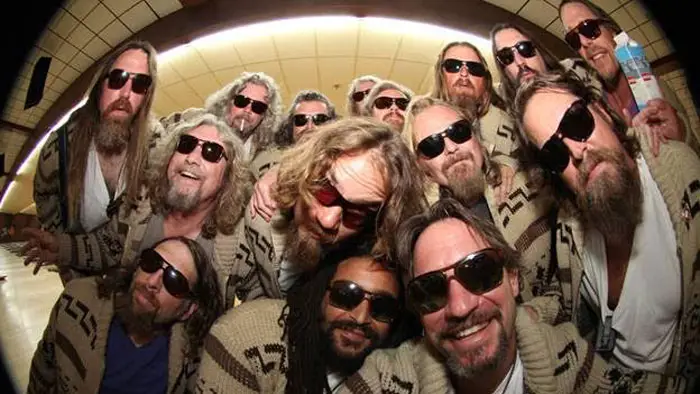
As the 1980s unfolded, the genre continued to flourish, with iconic films like “Fast Times at Ridgemont High” (1982) and “The Big Lebowski” (1998) adding their own unique spins to the stoner comedy landscape. “Fast Times at Ridgemont High” portrayed the humorous misadventures of high school students, touching on teenage rebellion and experimentation with substances. Meanwhile, “The Big Lebowski,” directed by the Coen Brothers, introduced us to “The Dude,” brilliantly portrayed by Jeff Bridges, a laid-back and perpetually stoned character who unwittingly finds himself embroiled in a complex caper. The success of these films rested not only on their humorous narratives but also on the talent of actors who became synonymous with the genre. Cheech Marin and Tommy Chong, Sean Penn, and Jeff Bridges all played pivotal roles in shaping the identity of stoner movies, becoming iconic figures in the realm of comedic cinema. Their performances contributed to the genre’s popularity and helped it gain mainstream recognition. However, as the 21st century unfolded, societal attitudes towards marijuana began to shift. With an increasing focus on legalization and medicinal uses of the plant, the stoner movie genre found itself at a crossroads. The cultural climate that once fueled the genre’s success was changing, and filmmakers began exploring new comedic avenues. Simultaneously, the rise of politically correct discourse and a heightened awareness of substance abuse issues cast a shadow on the once carefree and lighthearted nature of stoner comedies.
In recent years, it’s evident that the stoner movie genre has lost its former prominence. While there have been occasional attempts to revive the genre with films like “Pineapple Express” (2008) and “This Is the End” (2013), these efforts have not achieved the same level of cultural impact as their predecessors. The changing landscape of comedy, coupled with a more nuanced understanding of substance use in society, has contributed to the decline of the stoner movie genre. Incidentally, Pineapple Express lead to an explosion in the popularity for the titular strain encouraging people to buy cannabis seeds. The death of the stoner movie genre can be seen as a reflection of broader societal changes and shifting attitudes towards marijuana. The genre, once a staple of comedic cinema, is now a relic of a bygone era. As we bid farewell to Cheech and Chong’s hazy antics and The Dude’s laid-back philosophy, we also acknowledge the impact they had on shaping a unique and unforgettable chapter in the history of film. While the stoner movie genre may no longer be at the forefront of cinematic trends, its legacy lives on in the laughter and memories it brought to audiences during a time when a puff of smoke and a good laugh went hand in hand.